Chapter 16 Dorina and the House That Became a Home
When Dorina and I married in 1971, we did not begin with the certainty that everything would work out by itself. We were young, in love, and ready to build a life together. She was a teacher and sought stability, regularity, and security. I was the man who saw possibilities everywhere and was often already thinking about a new plan before the previous one had fully settled. At first, those differences complemented one another. Later, they sometimes clashed.
I do not want to portray Dorina as better than any human being can be, but neither do I want to do her an injustice. She did not understand or support every dream of mine. Sometimes she longed above all for peace while I wanted to take another risk. At times I experienced that as a brake; she may have experienced my drive as a threat to our family’s security. Neither feeling was untrue. We looked at the same future from different responsibilities.
There are moments in life that, at first glance, seem completely ordinary. Only many years later do we understand that a new chapter began at precisely that moment. That was how it felt when Dorina and I held the key to our first bungalow in our hands. It may be difficult for today’s younger generations to understand fully what that meant to us. Buying our own home was anything but self-evident. We both came from simple families. No one had given us anything. Every franc we managed to save had been earned through our work. When we first entered our new house alone together, we spoke very little. We walked slowly from room to room. We looked at the still-bare walls. The windows without curtains. The garden where nothing yet grew. And yet… We saw far more than what stood before our eyes.
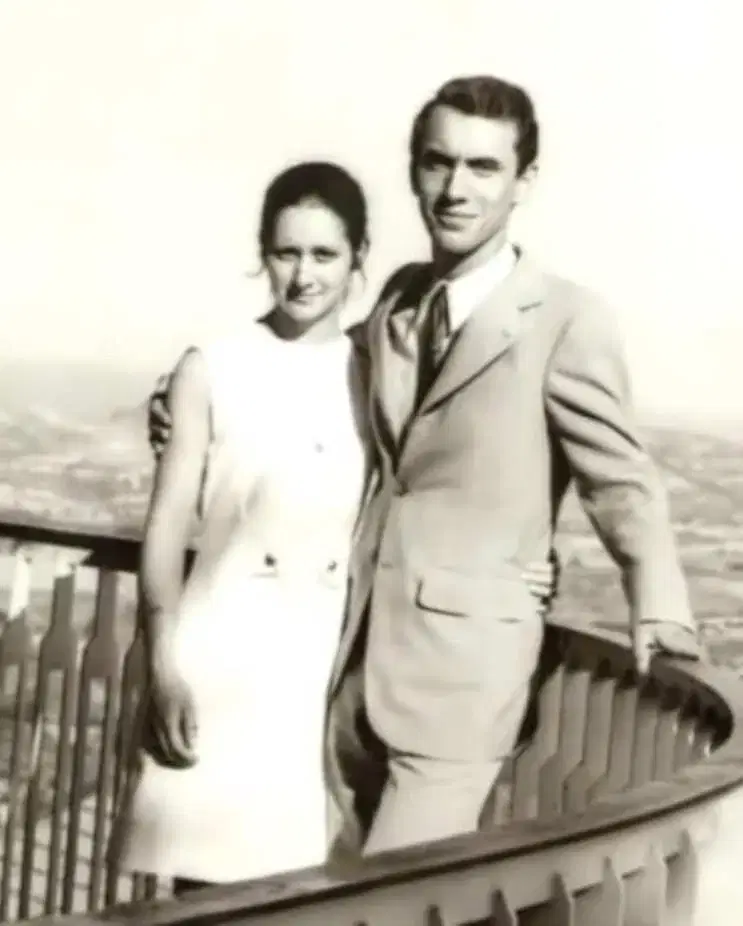
With my beautiful future wife Dorina in Italy, one year before we married.
We saw our future. ‘Here we will grow old together.’ ‘Here our children will grow up.’ ‘Here we will celebrate birthdays.’ ‘Here our friends will always be welcome.’ The house was still empty. But our dreams already filled every room. We had no expensive furniture. No luxurious kitchen. No large television. And none of that mattered to us. Every chair we bought felt like a small victory. Every cabinet. Every lamp. Every flower and plant we put in the garden. Everything we owned carried a story. Because we had earned it ourselves through work and sacrifice. But very soon, that bungalow became far more than an arrangement of walls, furniture, and dreams. It became a home. A place where our family life truly began to take shape.
But a home is not formed only by those who live there. The people around us also became an important part of our lives. We were fortunate to have wonderful neighbors. Among them were Jules and Alphonsine. What began as an ordinary relationship between neighbors became a friendship that would withstand time. More than fifty years later, we are still friends. When I think about that today, I find it something very special in itself. Because over the years, we shared far more than a street or neighborhood. We celebrated holidays together. Birthdays. We gathered around the same table. We laughed. Our children played together and grew up side by side. We even went on vacation together. To Italy. France. England. They were not spectacular journeys meant to impress others. They were the journeys of young families enjoying life together.
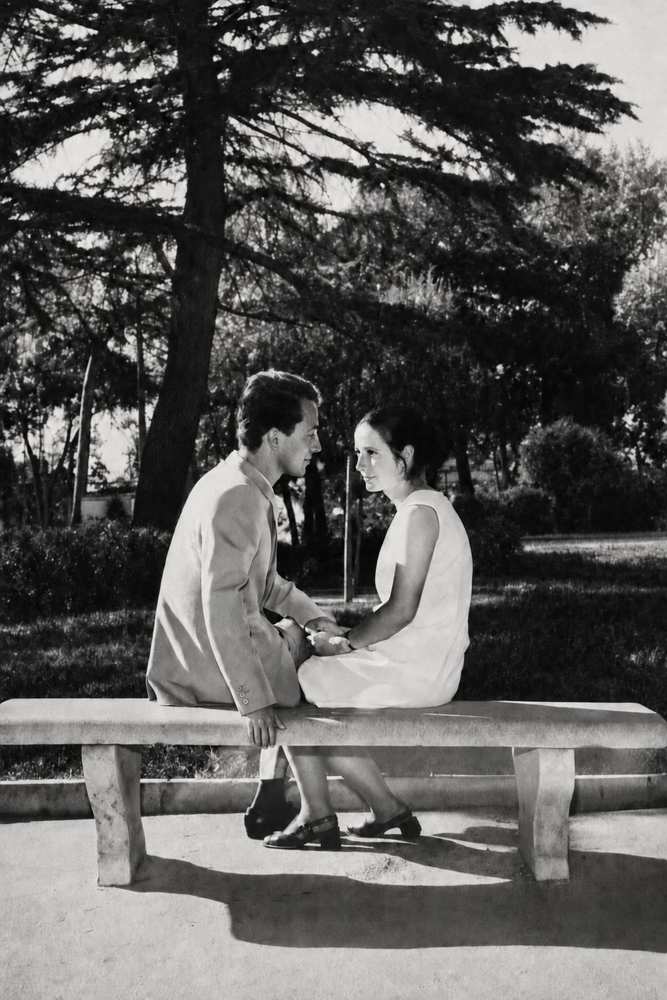
Dorina and I in Italy, one year before our wedding—young, in love and full of dreams.
The children played. We talked. We ate together. We discovered new places. And without realizing it then, we were creating memories that would still exist more than half a century later. Perhaps those were precisely our richest years. Not because we possessed a great deal. But because we shared so much. When I think of that bungalow today, therefore, I do not see only the house. I hear the children’s voices. I see Marco and Michael. I see Dorina. I see Jules and Alphonsine. I see friends around the table. Birthdays. Celebrations. Vacations. Long conversations. And all those ordinary moments whose extraordinary value we understand only much later. I believe that is why so many people of my generation respected what they owned so deeply. Not because they were miserly. But because they understood the effort hidden behind every purchase.
And perhaps more importantly: because we had learned that the value of a home ultimately does not depend on what it contains. But on what is lived there. When I look back on those years today, the bungalow is not the first thing I see. I see Dorina. I see our children. I see two young people looking toward the future with confidence. We spoke about our children. The journeys we would make one day. Our dreams. We truly believed life would become more beautiful with every passing year. And when I think back today… It was precisely that belief that made us happy. We could not possibly guess the unexpected turns life still held for us. That moments would come when we would have to begin all over again. That we would experience periods of immense joy. But also moments of profound pain.
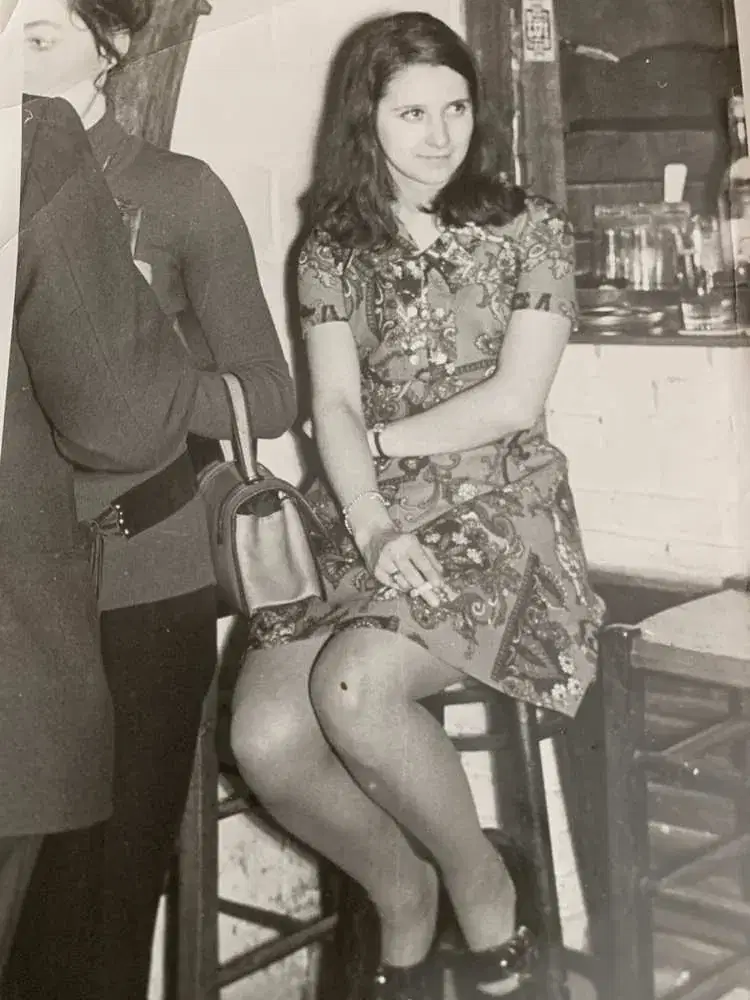
Dorina, my eternal schoolteacher.
Fortunately, life does not show us in advance what the future will bring. And perhaps that is one of its greatest blessings. For if, in our youth, we already knew which difficulties awaited us later, many of us would lose the courage to move forward. Instead, life gives us something far more precious. Hope. And hope was the most faithful guest in our first bungalow. Even today, when I close my eyes, I hear the sound of that key turning in the lock for the very first time. It lasted only a few seconds. And yet that key opened the door to far more than a house. To our sons’ childhood. To friendships that would last a lifetime. To birthdays and vacations. To laughter around the table. To ordinary days that would later become precious memories.
To a life that, at that moment, we could only imagine. Sometimes I wonder whether happiness is much simpler than we think. Perhaps it does not begin with great wealth. Perhaps happiness begins on the day two people find the courage to look at each other and say: ‘This… will be our home.’ And perhaps only many years later do you discover what that small word truly meant. Our home was never only the house. Our home was the people who built a life there with us.
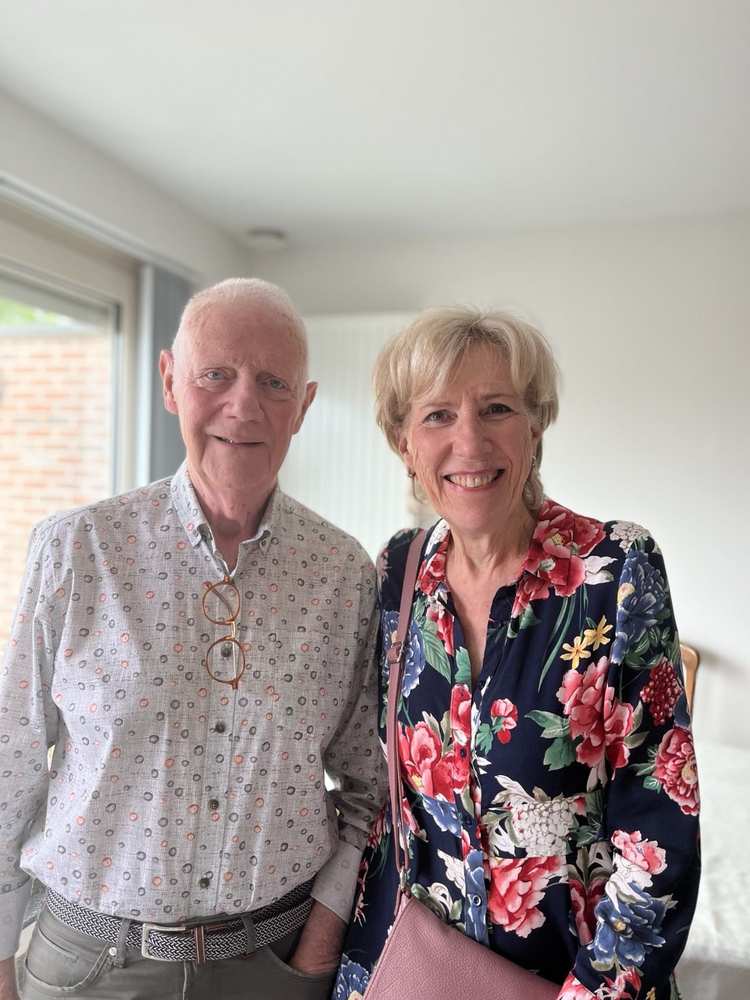
Jules and Alphonsine, our dear friends for more than fifty years.
Our love therefore did not consist only of tender photographs. It also consisted of misunderstandings, disappointments, reconciliations, and the daily work of staying. Dorina stood beside me in the good years and in the years when our home was filled with worry. After losing Marco, we did not always grieve in the same way. I wanted to talk, search, and write; she carried much of it in silence. In that too, we had to learn that two people can love the same child and still deal with the same sorrow differently.
What binds us is not the story of a perfect marriage. It is a shared life: our sons, the houses we lived in, the bills that had to be paid, friends at the table, arguments that subsided, illnesses, journeys, loss, and the ordinary mornings when we nevertheless got up together again. That faithfulness is less conspicuous than being in love, but after so many years, perhaps even more precious.